Why This Post Exists
This is not a launch post.
It’s a record of intent.
I’m writing this to clearly document:
- what Semradr started as,
- what problems showed up during real building,
- and what direction the product is now taking.
Think of this as a proof-of-work — not promises.
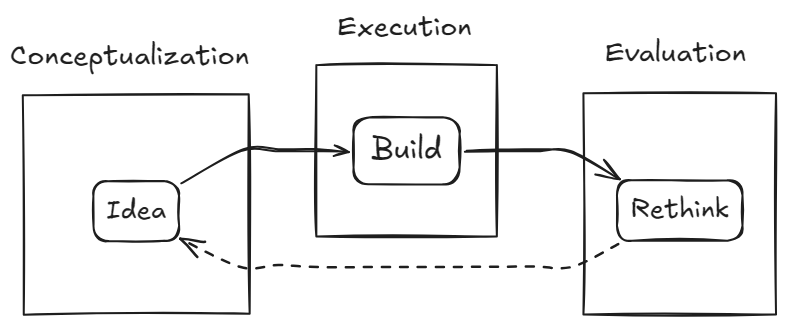
The Early Days of Semradr
Semradr started with a simple observation leading to a question:
How do creators/creatives alike, teams figure out what to create next — without burning out?
People don’t struggle because they lack tools. They suffer from burnout as a result of consistently creating contents, perhaps on multiple platforms(max input, less results); they don’t know what content to create next. But the algorithm favours the bold, the gold diggers.
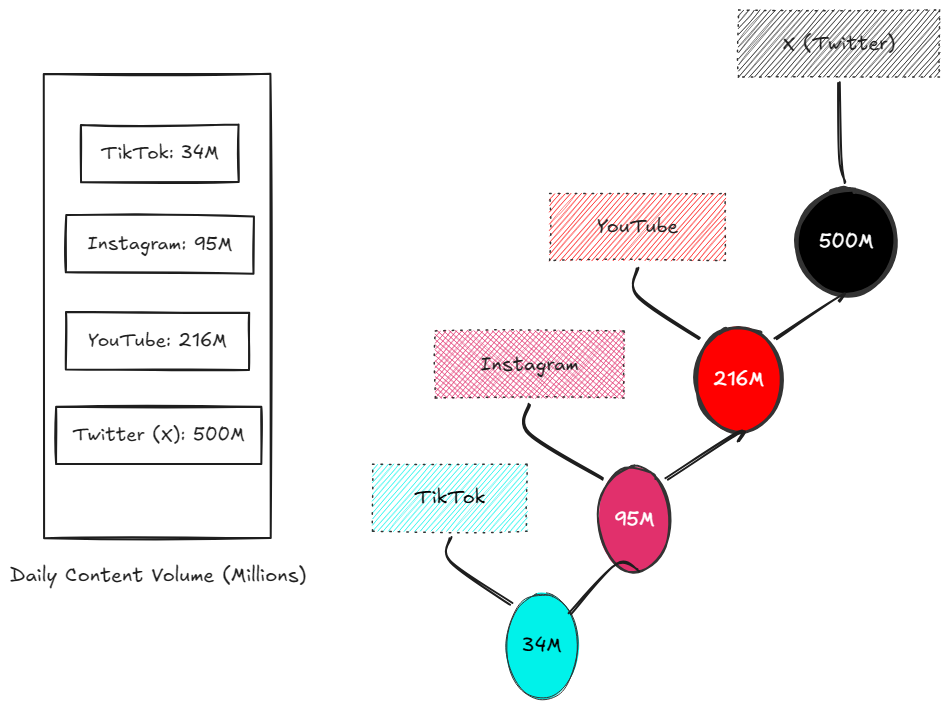
- Contents are being posted daily.
- Platform algorithms are changing weekly.
- Creators were tired.
- Businesses wanted results but didn’t know what to ask for.
Should they be a consistent protocol that regulates how platforms navigate content algorithm, that is equal, free and non-bias?
So the ideas formed around analytics and performance tracking across platforms.
During this phase, the idea was straightforward.
Build a tool that helps people understand what’s working, what isn’t, and what direction to move in — especially in content and marketing.
At the time, the problem looked like a social media problem(we tracked performance across social platforms).
- creators chasing performance resulting to burnouts (core passion)
- agencies answering “what should we do next quarter?”
- teams reacting instead of planning
So the early shape of Semradr leaned towards content analytics and performance visibility for creators, teams etc.
The Original Intent
From day one, the goal was never “more posts”.
The intent was:
- reduce guesswork
- reduce repeated research
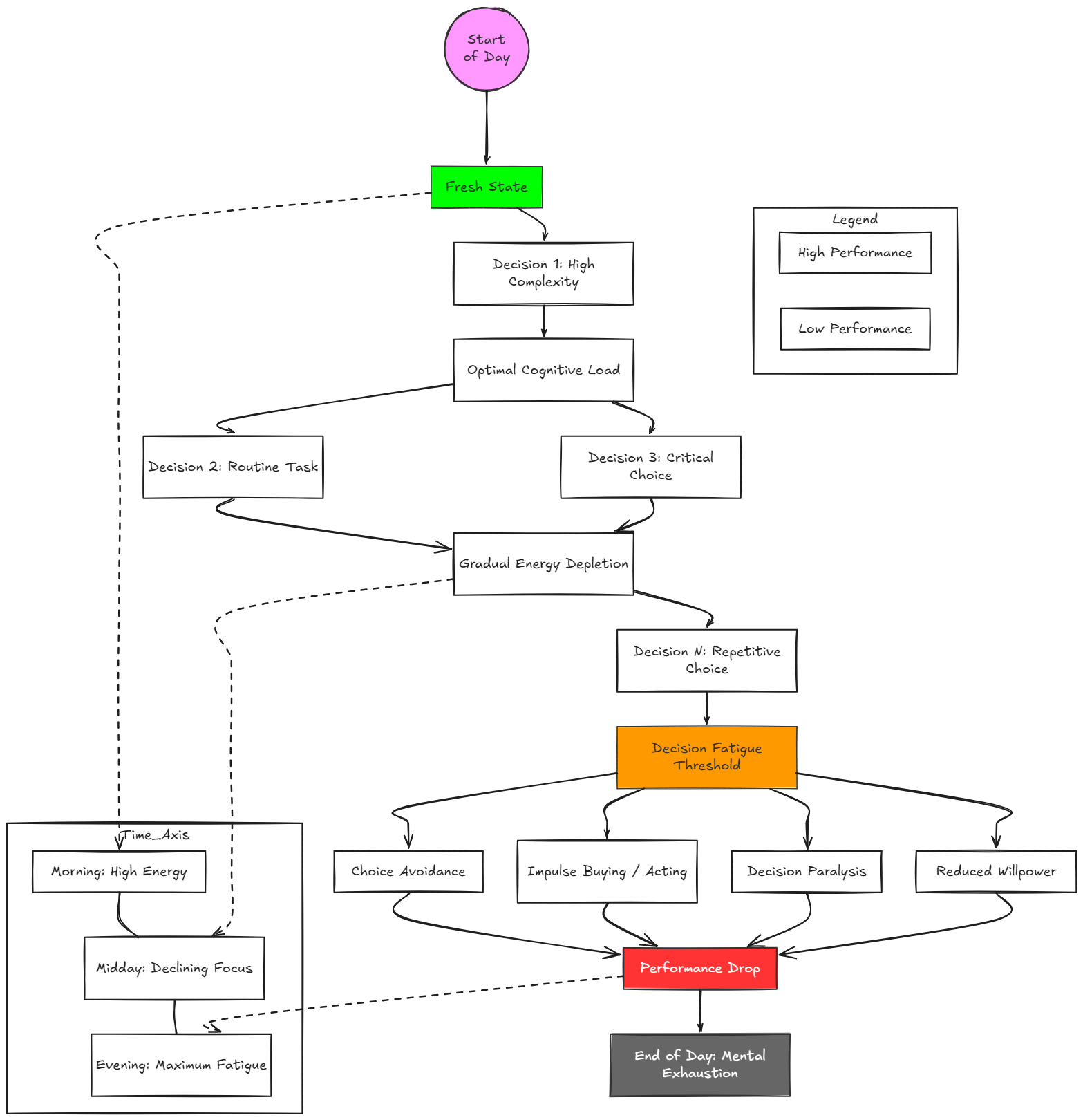
- reduce decision fatigue
What Changed During Building
Semradr was meant to act like a radar — not a dashboard full of numbers, but something that helps you see signals early and decide calmly. The idea was to give creators a lighthouse, not a posting hack. But a development progressed, a new problem showed up. The few people I spoke to, wanted scheduling, wanted posting, decision fatigue.
Creators, freelancers, agencies, and small teams were:
- Managing multiple clients
- Guessing strategies every quarter
- Manually researching trends
- Struggling to prove ROI
- Losing clients because they looked reactive, not proactive
1. Social Media Infrastructure Is Fragile
Building schedulers or another social media tool sounded attractive, but in practice:
- APIs are restrictive and unstable
- Platform reviews (Meta, X, LinkedIn, etc.) are slow and unpredictable
- Permissions change often
- Features can disappear overnight
This introduces platform risk into the core of the product.
2. External Data Collection Is Expensive
Scraping or pulling large volumes of external data:
- costs money
- costs time
- requires constant maintenance
- breaks often
At scale, this becomes less of a feature and more of a liability.
3. The Real Problem Wasn’t Posting
As these constraints became clearer, so did something else:
Most people don’t fail because they can’t publish.
They fail because they make uncertain decisions repeatedly.
The pain shows up as:
- “What should we focus on this month?”
- “Why didn’t this work?”
- “Should we double down or pivot?”
- “How do I justify this to a client or team?”
This problem exists with or without social media.
The Shift in Semradr’s Direction
At that point, it no longer made sense to build:
- another scheduler
- another posting tool
- another social-only analytics product
Semradr started shifting toward something more fundamental:
Decision intelligence.
Not decisions made emotionally.
Not decisions made from isolated metrics.
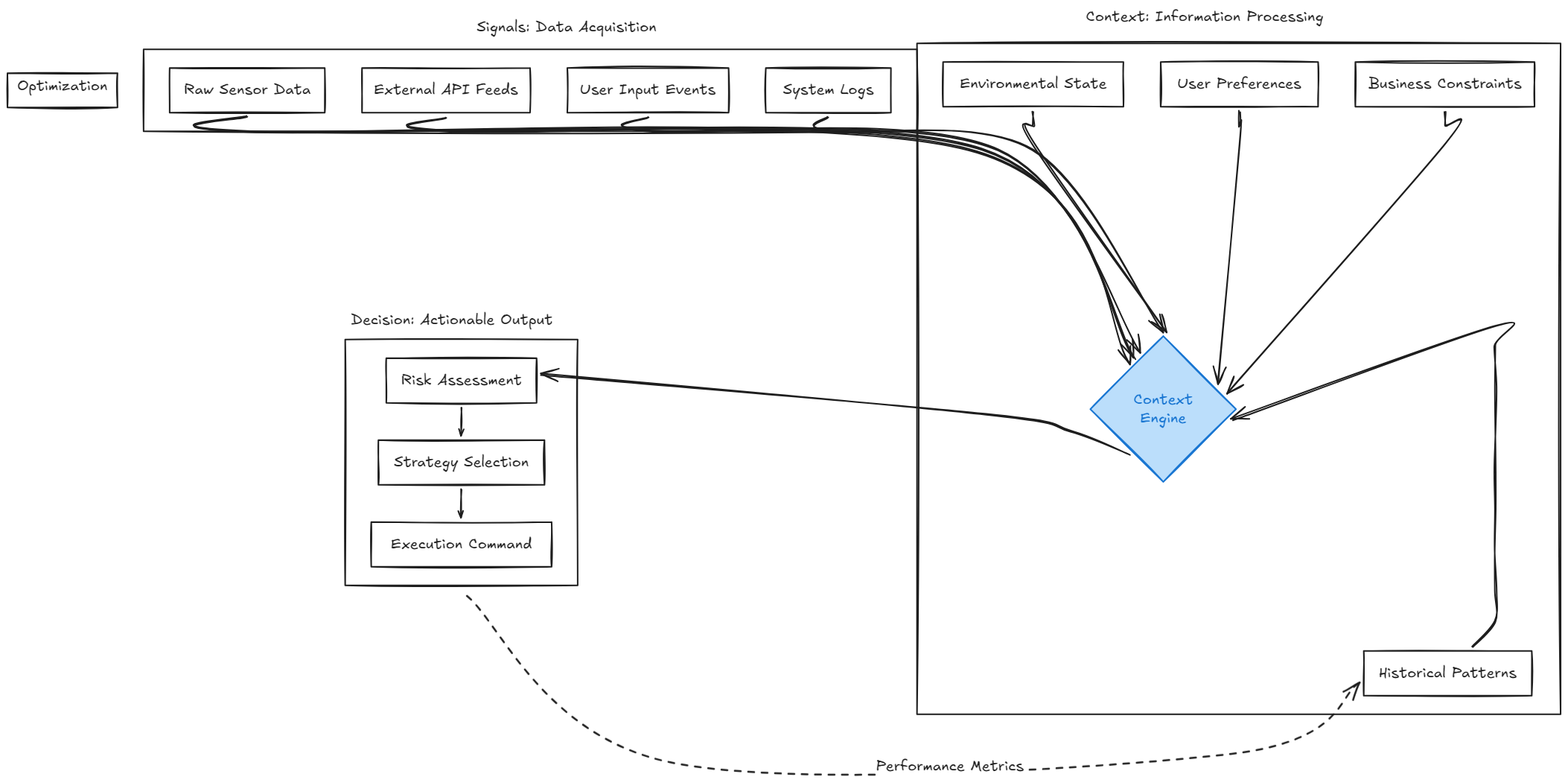
But decisions grounded in signals, demographics, context, present and past outcomes.
Is This Another Data Company?
In practice: yes, maybe?
In purpose: not really.
Data is a means, not the product.
Raw data alone doesn’t help most people.
What helps is:
- interpretation
- comparison
- understanding consequences before acting
Semradr is less about showing data and more about using data to reduce uncertainty.
Data-Backed vs Guess-Based Decisions
Over time, if you’ve tried running a business, or operating with a team. A single pattern shows up clearly:
You rely on that pattern, call it a hunch to:
- move with intention
- explain outcomes clearly
- waste less energy
- iterate faster
- plan for fail safes
Teams without this tend to:
- react emotionally
- repeat cycles
- chase trends late
- struggle to explain results
- burn out
Semradr exists to compress learning and make those differences visible earlier. This is about saving time, saving costs, manpower, reducing guess work
What Semradr Is Being Built to Do
At its core, Semradr is being built to help people answer:
Given what I know now, what’s the most reasonable next move?
That applies to:
- creators
- freelancers
- agencies
- small teams
- founders
- solo builders
It’s not limited to one platform, one format, or one channel.
Feedback Is Part of the Process
This project is being built deliberately, not quietly but not loudly either.
If you have:
- questions
- edge cases
- feature ideas
- critical feedback
- even collaborations
Please feel free to email me at davidhero125@gmail.com.
Thoughtful input helps keep the system honest.
Closing
Semradr isn’t an experiment.
It isn’t a growth hack.
It isn’t a side idea.
It’s a long-term attempt to build something solid in an ecosystem full of noise.
This post exists so the direction is clear to me, and to anyone paying attention.
— David
Building Semradr